
The Genesis of Stardust
Project Stardust began as a simple experiment: could we generate a universe from a single line of code? This post explores the technical and creative journey behind this ambitious generative art project.
The Challenge: From Chaos to Cosmos
Our primary challenge was to create a system that felt both chaotic and ordered, much like the universe itself. We explored various algorithms, from cellular automata to fractal noise, before settling on a custom physics engine written in Rust and compiled to WebAssembly.
The core of Stardust is a particle simulation where each particle’s behavior is governed by a set of “cosmic laws” we defined. The interplay of these laws creates the emergent complexity you see.
A Glimpse Under the Hood
The tech stack for Project Stardust is as unique as the visuals it produces:
- Rust: For the core physics and generation engine.
- WebAssembly (WASM): To run the Rust code at near-native speed in the browser.
- Three.js: For rendering the 3D visuals and handling the camera.
- Astro: For the static site that hosts the project.
Here’s a simplified look at how a “cosmic law” is defined in our Rust engine:
// A simplified example of a gravity-like force
fn apply_gravity(particle: &mut Particle, other: &Particle) {
    let distance = particle.pos.distance_to(other.pos);
    if distance > 0.0 {
        let force = G * (particle.mass * other.mass) / (distance * distance);
        let direction = (other.pos - particle.pos).normalize();
        particle.apply_force(direction * force);
    }
}
Visualizing the Universe
Rendering millions of particles in real-time was a major hurdle. We used a combination of instanced rendering and custom shaders in Three.js to achieve smooth performance.
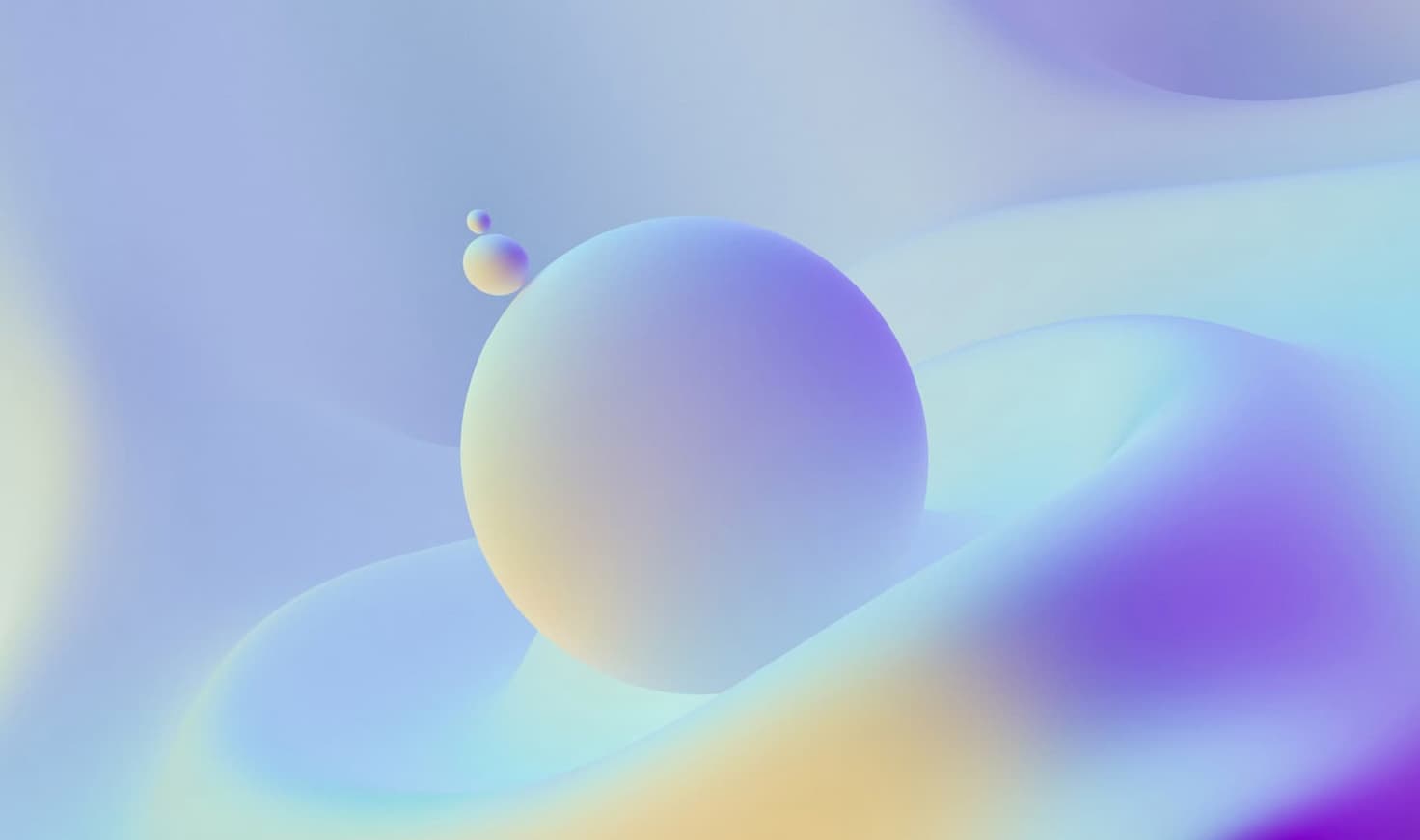 An early render from the Stardust engine, showcasing a “nebula” formation.
Lessons Learned
- Performance is Key: WASM was a game-changer, but careful optimization was still necessary.
- Emergence is Beautiful: The most stunning visuals were often the result of unexpected interactions between simple rules.
- The Browser is a Powerful Canvas: Modern web technologies are capable of incredible things.
Project Stardust is a testament to the power of creative coding. It’s a reminder that sometimes, the most beautiful things are born from a little bit of chaos and a lot of imagination.